The demand for millets is increasing rapidly in India. Today, millets are no longer limited to traditional food, but have become an important product category for retail stores, supermarkets, health-food brands, restaurants, hotels, food manufacturers, and online businesses. However, if you want to buy millets in bulk, looking only at a low price is not enough. A good B2B buyer should pay attention to many aspects like quality, purity, consistency, packaging, processing, documentation, supply capacity, and delivery. In this guide, we will explain what to check when buying Indian millets in bulk.
What are Indian millets?
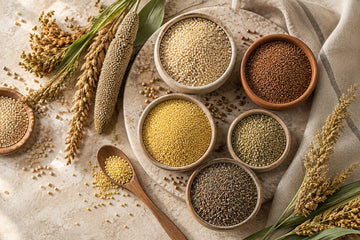
Many types of millets are grown in India. Major millets include:
Pearl Millet (Bajra)
Sorghum (Jowar)
Finger Millet (Ragi)
Kodo Millet
Little Millet (Kutki)
Foxtail Millet (Kangni)
Barnyard Millet (Sanwa)
Proso Millet
These can be used to make flour, rice substitutes, rawa, snacks, ready-to-cook products, and other food products.
8 essential things to keep in mind when buying millets in bulk
1. Check product purity first
One of the most important things for a B2B buyer is purity. When buying bulk millet, ask the supplier:
What is the product variety?
Is there any adulteration with other grains?
What is the cleaning process?
How are foreign particles removed?
How is the product quality checked?
Instead of relying only on the supplier's word, keep a process of quality testing and documentation where necessary.
2. Understand the supplier's processing system
Millet quality is not determined only in the field. After harvest, cleaning, drying, grading, storage, and processing are also important. It is useful to get information from a professional supplier on whether the product goes through processes like: Sourcing → Cleaning → Processing → Quality Check → Packaging → Dispatch. At Dhanshakti – The Wonder Millets, our focus is on hygienic processing and consistent product quality.
3. Choose the right millet variety
Every business has different needs. For example: A millet flour manufacturer needs grain with good milling quality. A retailer may need attractive packaging and consistent quality. For a restaurant, cooking performance and regular supply might be important. A health-food brand may require specific specifications and documentation. Therefore, it is important to state your exact requirements to the supplier before placing a bulk order.
4. Prioritize quality consistency
In the B2B business, getting good quality once is not enough. If the quality of the product you bought today changes significantly next month, the trust of your customers can be affected. Therefore, when choosing a supplier, look at:
Grain size consistency
Cleanliness
Moisture specifications
Packaging quality
Batch consistency
Regular availability
Consistency is one of the most important needs of the B2B food business.
5. Get information about packaging and storage
Proper packaging and storage are essential to maintain the quality of bulk millet. Ask the supplier:
What kind of packaging is used?
Is the packaging food-grade or not?
How is the product stored?
What are the storage conditions?
How is batch and product identification done?
Good packaging helps keep the product safe during transportation and storage.
6. Check the supplier's supply capacity
If your business grows rapidly, the supplier's supply capacity also becomes important. A bulk buyer should know: Can the supplier provide the required quantity every month? If you need 100 kg, 500 kg, 1,000 kg, or more product every month, then discuss the supplier's regular supply capability and lead time before placing an order.
7. Look at the total cost along with the price
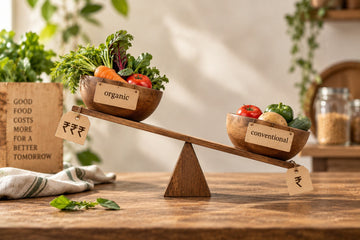
In bulk purchasing, the cheapest supplier is not always the best supplier. Instead of just looking at the product price, look at the total landed cost. Example: Product Cost + Packaging + Transportation + Taxes/Applicable Charges + Handling = Total Cost. If a supplier is slightly expensive but their quality is consistent, transportation is better, and rejection is lower, then they can be more profitable in the long run.
8. Check the supplier's reliability
In B2B business, the supplier relationship is very important. Before choosing a supplier, know the answers to these questions:
Can the supplier provide regular supply?
Is communication easy?
Are the product specifications clear?
Are invoices and necessary documents provided?
Are complaints handled properly?
Are the replacement/return terms clear?
A reliable supplier can help keep your business stable for a long time.
Which millet products can be useful for B2B buyers?
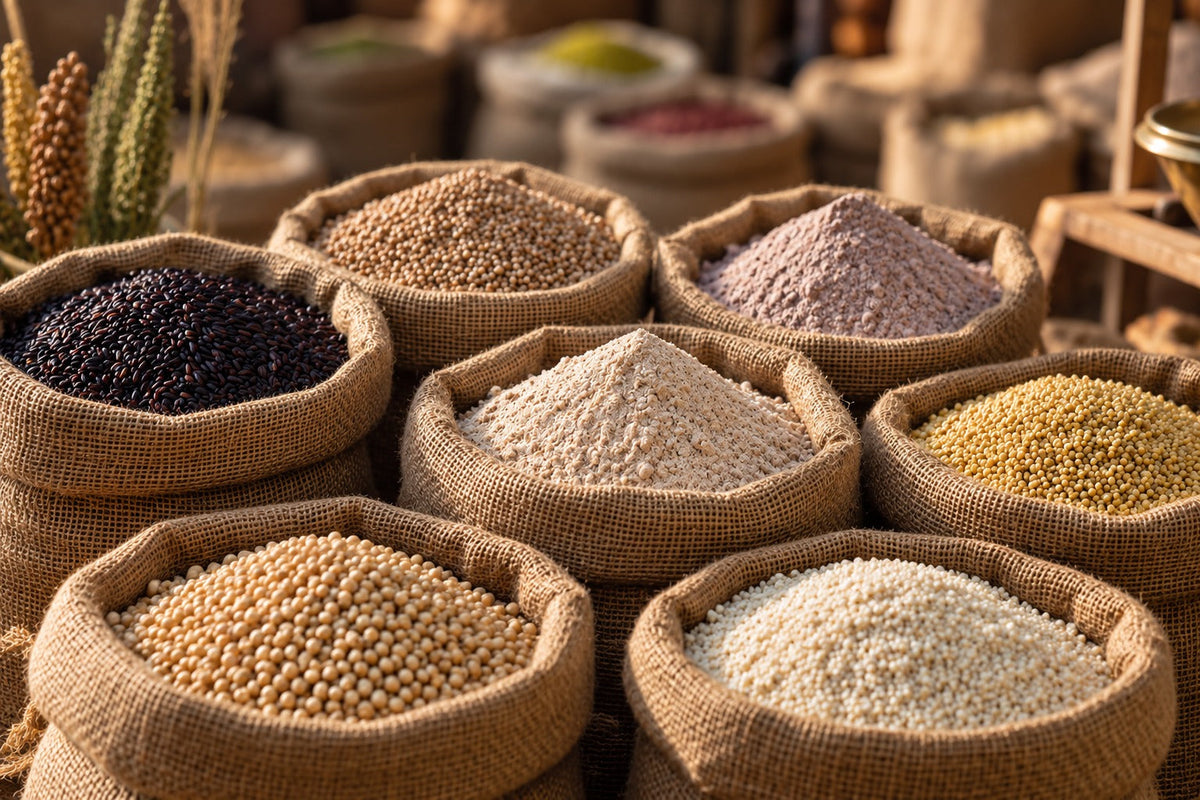
Millets are not just bought as whole grains. According to your business requirement, many formats can be useful:
Whole Millet
For food manufacturers, restaurants, and repacking businesses.
Millet Rice
For retail stores, restaurants, and health-food businesses.
Millet Flour
For bakeries, health-food brands, retailers, and consumers.
Sprouted Millet Flour
For businesses working in premium and value-added food categories.
Millet-based Products
For businesses making snacks, laddus, mixes, and ready-to-cook products.
Practical Checklist for Choosing a B2B Supplier
Use this checklist before placing a bulk order: ☑️ Product specification ☑️ Millet variety ☑️ Purity requirements ☑️ Processing method ☑️ Quality testing ☑️ Packaging ☑️ Minimum Order Quantity (MOQ) ☑️ Price per kg ☑️ Applicable taxes ☑️ Transportation cost ☑️ Delivery timeline ☑️ Payment terms ☑️ Return/replacement policy ☑️ Batch information ☑️ Regular supply capacity
Dhanshakti – As your B2B Millet Partner
Dhanshakti – The Wonder Millets is a food processing brand based on Indian millets. Our aim is to provide quality-focused millet products to retailers, distributors, businesses, and consumers. We work on various millet-based products like: Millet Rice | Millet Flour | Sprouted Millet Flour | Traditional Indian Millets. Our focus is: Quality → Hygienic Processing → Proper Packaging → Consistent Supply → Customer Support. If you want to source millet products for your business, it is better to share your requirement, quantity, product specification, and delivery requirement with the supplier first.
Why should you take a sample before buying bulk millet?
Taking a sample before placing the first large order can be a good B2B practice. Through the sample, you can:
See the cleanliness of the product
Check the cooking quality
Check the milling quality of flour
Test the taste and texture
See suitability for your customers
If your business requirement is large, it can also be useful to create a product approval process.
The future of the millet business in India
The growing interest in millets in India has created new opportunities for farmers, processors, distributors, and food businesses. But for long-term success, selling just millet will not work. Quality, transparency, consistency, and reliable supply are the strong foundations of the B2B millet business. Businesses that build the right supplier relationships today can better connect with the development of the millet category in the coming time.
Conclusion
Buying Indian millets in bulk is not just a question of “how many rupees per kilo?”. A wise B2B buyer should look at: Is the product pure? Is the quality consistent? Is the processing hygienic? Can the supplier provide regular supply? Is the pricing transparent? Can a long-term business relationship be built? Choosing a supplier by keeping all these aspects in mind can help make your business strong.
🌾 Dhanshakti – The Wonder Millets
Our effort to connect the quality and tradition of Indian millets with the modern B2B market. If you are a retailer, wholesaler, distributor, restaurant, hotel, food manufacturer, or health-food business and want to source bulk millet products, share your business requirements with Dhanshakti. Bulk Order | B2B Supply | Millet Products | Private/Business Requirements Dhanshakti – The Wonder Millets Pure Indian Millets. Trusted Processing. Better Business.